A nimal shelters and rescue groups depend on people in their communities to help homeless pets receive care, find temporary refuge, and ultimately reach permanent homes. You don't have to adopt an animal—or have unlimited free time—to make a meaningful contribution.
The most useful kind of help depends on what you can reliably offer. For one person, that might be a spare room for a foster cat. For another, it could be two hours of dog walking each week, a monthly donation, or simply sharing an adoptable pet with the right audience.
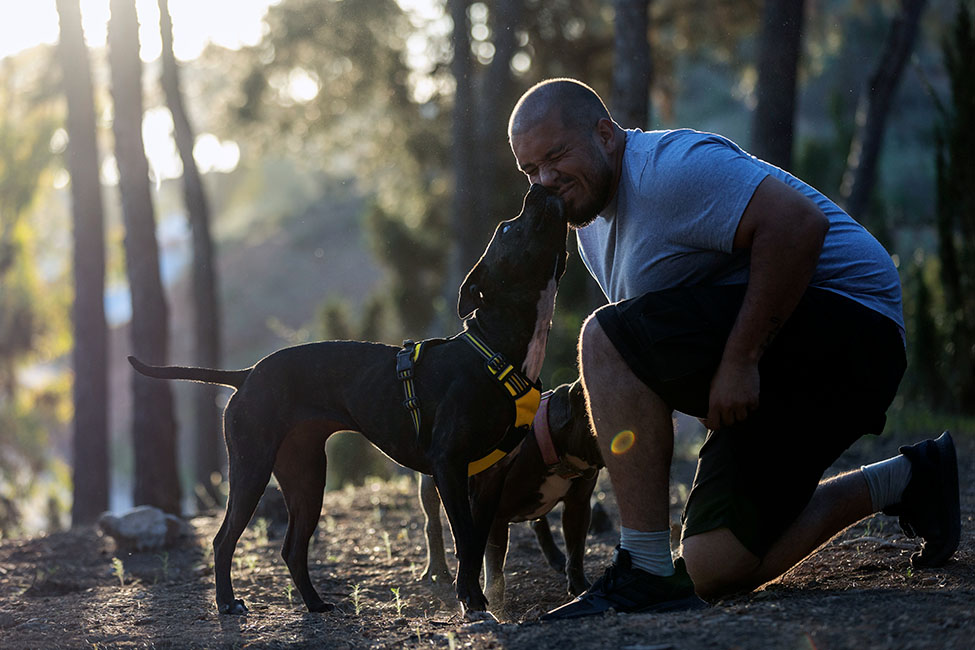
The short version: start with what you can sustain
If you want to help shelter and rescue pets, think in terms of three resources: time, space, and money.
Fostering can give an animal a quieter temporary home while also freeing shelter capacity for other pets. Volunteering supplies organizations with human help for animal care, events, transportation, administration, and other tasks. Financial gifts give shelters and rescues flexibility to address their current needs. Even smaller actions—sharing adoption profiles or purchasing requested supplies—can be useful when they respond to an organization's actual priorities.
The goal isn't to do everything. It's to find something genuinely useful that you can keep doing.
Why fostering can have an outsized impact
A foster home temporarily moves a pet from a shelter or rescue setting into a home environment. That can be especially valuable for animals that are young, shy, recovering, or simply in need of a break from the shelter.
There is also a practical capacity benefit: when a foster caregiver takes an animal home, space can become available for another animal needing shelter. Foster commitments can vary considerably; some opportunities may last only a few days, while others extend for several weeks. Organizations may also provide food, supplies, veterinary care, or other support, although prospective fosters should always ask their particular organization what it covers.
No spare room? No problem. There are other high-value ways to contribute.
Table 1. Match your help to your resources
| If you can give… | Consider… | Why it helps |
|---|---|---|
| Space at home | Fostering a dog, cat, kitten, or other pet | Gives an animal temporary care and can relieve shelter capacity |
| A few hours | Walking dogs, socializing cats, cleaning, events, transport, or administrative work | Adds practical labor where organizations need it |
| Money | Direct or recurring donations | Gives the organization flexibility to fund its priorities |
| Supplies | Buying from the organization's current wish list | Sends requested items rather than potentially unnecessary goods |
| An online audience | Sharing adoptable pets and shelter requests | Extends the reach of animals and community needs |
Before deciding what to give, ask the shelter or rescue. Needs can change, and many organizations publish current wish lists specifically to identify useful items.
Volunteer where your skills fit
Volunteering isn't limited to cleaning kennels or walking dogs. Those jobs matter, but shelters and rescue organizations can also need people who can drive animals, photograph pets, assist at events, handle administrative tasks, or support outreach.
Useful contributions can include:
● Walking or socializing animals
● Helping with adoption events
● Transporting pets or supplies
● Photographing adoptable animals
● Writing or updating pet profiles
● Assisting with laundry, cleaning, or organization
● Providing administrative or marketing support
Small document jobs can be volunteer jobs, too
Behind every adoption event and pet profile is ordinary administrative work. A volunteer might need to update a handout after a pet's details change, correct information on an event flyer, or refresh a simple PDF before it is shared again.
These jobs don't necessarily require design expertise or specialized desktop software. For occasional changes, Adobe Acrobat's online tools can edit text in a pdf , making it possible to handle straightforward document updates in a browser. Adobe says its web tools support tasks such as adding, replacing, and deleting text, although more complex layouts may require additional adjustment.
For a small rescue operating with limited staff, taking one modest task off someone's plate can still be useful.

How to make a strategic donation
Rather than guessing what an organization needs, use this quick process:
1. Choose a local shelter or rescue. Look for an organization whose work you want to support.
2. Check its current requests. Review its website, social accounts, donation page, or wish list.
3. Ask before delivering supplies. Confirm that your proposed items are currently useful.
4. Consider unrestricted financial support. This can give an organization flexibility to allocate funds according to its priorities.
5. Check for employer matching. Some employers match eligible charitable gifts, potentially increasing the value of a donation.
6. Repeat what works. A sustainable monthly contribution or recurring volunteer shift can turn a single act into dependable support.
One useful place to start looking
You don't need to already know every rescue organization in your area. Petfinder provides a search tool for animal shelters and rescue groups that lets people search by location or organization name.
Use a directory as a starting point, then visit the individual organization's website or contact its team to learn what help it currently needs. Local priorities—not assumptions—should guide your next move.
Frequently asked questions
What if I love animals but can't foster? Volunteer, donate, transport animals, share adoption profiles, support events, or purchase requested supplies. Bringing a pet into your home is only one form of support.
Can sharing adoptable pets on social media actually help? It can extend an animal's visibility beyond the shelter's existing audience. Best Friends specifically recommends sharing shelter social posts as one quick way people can help pets find homes.
Do I need special experience to volunteer? Requirements vary by organization and role. Contact the shelter or rescue directly and ask about orientation, training, age requirements, scheduling, and which roles are currently needed.
Help that fits your life is still help
Supporting shelter and rescue pets doesn't require one grand gesture. Start with what your local organization actually needs, choose a contribution you can sustain, and make that commitment count.